

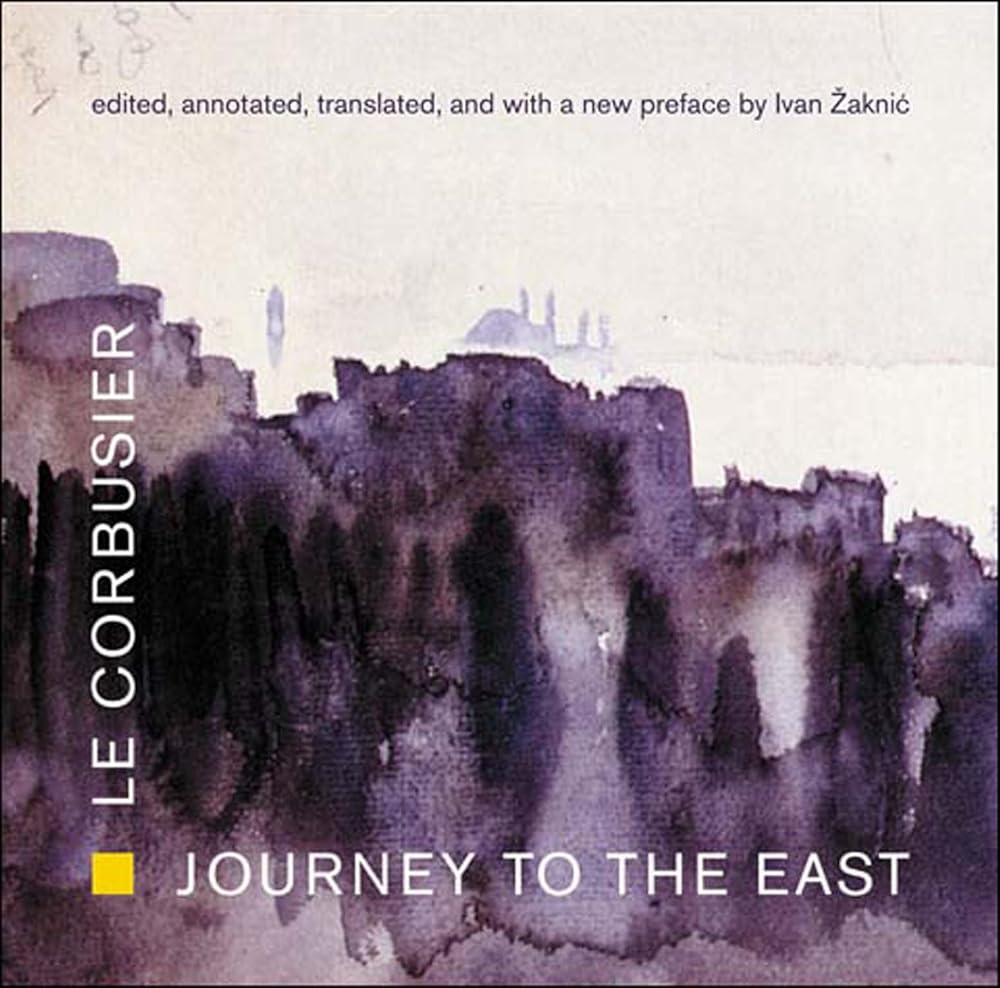
Journey to the East
By Le Corbusier and Ivan Zaknic
In 1911, a young Charles-Édouard Jeanneret—later known as Le Corbusier—set out on a transformative journey across Southern, Central, and Eastern Europe, recording his experiences in a deeply personal travel diary. Written at just twenty-four, this vivid account captures his first encounters with vernacular architecture and the iconic monuments that would shape his artistic vision, from mosque complexes to the Acropolis and the Parthenon.
Overflowing with impressions, sketches, and reflections, the diary traces a seven-month journey through cities including Berlin, Vienna, Budapest, Bucharest, Istanbul, Athens, Naples, and Rome. Though Le Corbusier chose not to publish it during his lifetime, it later emerged as an intimate and revealing document, often described as his “last confession.”
Journey to the East reads like a coming-of-age story, chronicling the awakening of a young thinker destined to become one of the twentieth century’s most influential architects. It not only captures a pivotal moment of discovery but also marks the beginning of a lifelong habit of observation and sketching, through which he would continually draw inspiration from this formative voyage.
Year: 2007
Format: Paperback
Publisher: The MIT Press
Categories: Architecture Reference, Architectural History, and Travel Writing Reference
Pages: 288
Barcode:
9780262622103
Availability:
In stock
Product type:
Architecture
- $ 550.00
- $ 550.00
- Unit price
- per
Also recommended
Example product title
- $ 550.00
- $ 550.00
- Unit price
- per
Example product title
- $ 550.00
- $ 550.00
- Unit price
- per
Example product title
- $ 550.00
- $ 550.00
- Unit price
- per
Example product title
- $ 550.00
- $ 550.00
- Unit price
- per
Example product title
- $ 550.00
- $ 550.00
- Unit price
- per
Example product title
- $ 550.00
- $ 550.00
- Unit price
- per
Example product title
- $ 550.00
- $ 550.00
- Unit price
- per
Example product title
- $ 550.00
- $ 550.00
- Unit price
- per
Example product title
- $ 550.00
- $ 550.00
- Unit price
- per
Example product title
- $ 550.00
- $ 550.00
- Unit price
- per
Recently Viewed
Example product title
- $ 550.00
- $ 550.00
- Unit price
- per
Example product title
- $ 550.00
- $ 550.00
- Unit price
- per
Example product title
- $ 550.00
- $ 550.00
- Unit price
- per
Example product title
- $ 550.00
- $ 550.00
- Unit price
- per
Example product title
- $ 550.00
- $ 550.00
- Unit price
- per
Example product title
- $ 550.00
- $ 550.00
- Unit price
- per
Example product title
- $ 550.00
- $ 550.00
- Unit price
- per
Example product title
- $ 550.00
- $ 550.00
- Unit price
- per
Example product title
- $ 550.00
- $ 550.00
- Unit price
- per
Example product title
- $ 550.00
- $ 550.00
- Unit price
- per
- Choosing a selection results in a full page refresh.