

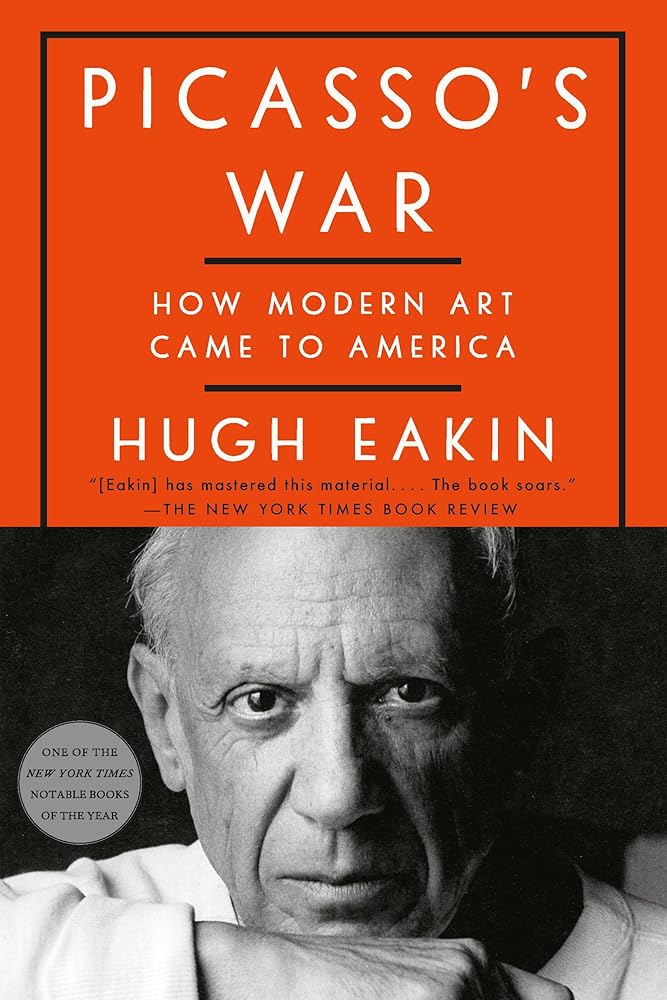
In 1939, Pablo Picasso was celebrated in Europe but widely rejected in America. Within a year, that changed dramatically. This is the story of how one groundbreaking exhibition transformed him into a cultural icon in the United States.
The journey began decades earlier with collector John Quinn’s ambitious dream to champion Picasso’s work—an effort later revived by Alfred H. Barr, Jr., the young founding director of the Museum of Modern Art. Facing public backlash, the Great Depression, political intrigue, and the growing threat of Nazism, their mission seemed impossible.
Yet amid war and upheaval, a landmark exhibition—Picasso: Forty Years of His Art—not only secured Picasso’s place in America but also helped shift the center of the art world from Paris to New York, saving countless masterpieces in the process.