

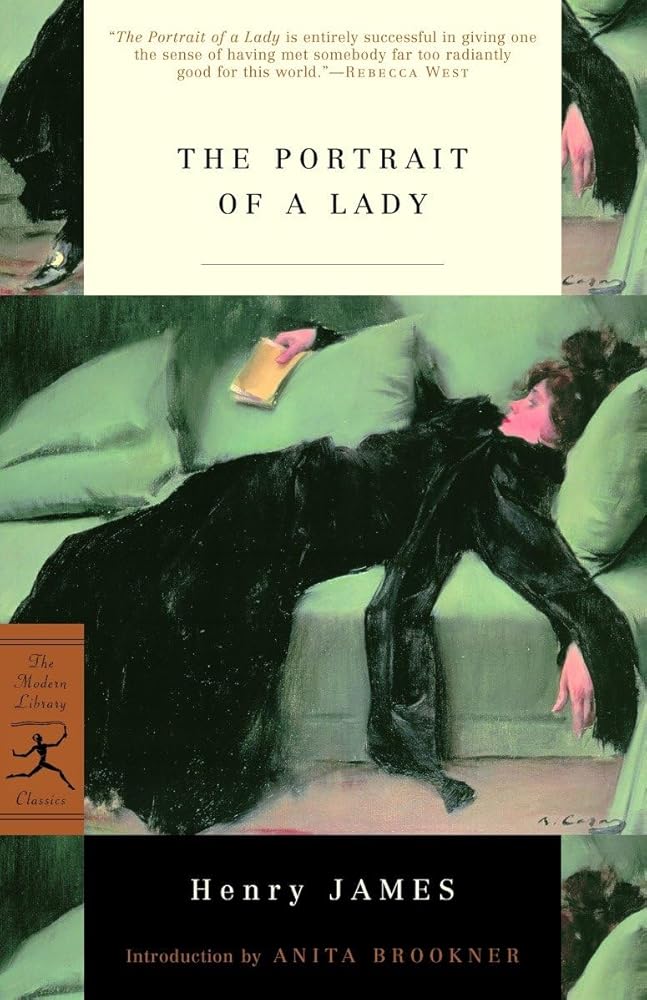
The Portrait of a Lady
By Henry James and Anita Brookner
One of the most enduring heroines in American fiction, Isabel Archer travels to Europe determined to shape her own destiny. As Henry James later reflected in his 1908 preface, he began The Portrait of a Lady with little more than the compelling image of “a young woman affronting her destiny.” From that slender premise emerged a masterful psychological portrait.
Isabel, an independent American heiress, rejects promising suitors in her effort to secure both autonomy and self-knowledge. Yet her idealism proves vulnerable. Her marriage to the refined and enigmatic Gilbert Osmond becomes the very instrument of her confinement, exposing the perilous cost of innocence and self-determination.
With acute powers of observation, James records the subtleties of motive, manners, and moral choice. As Hortense Calisher notes, his detached yet penetrating gaze places him among those rare storytellers who capture what formal history cannot—the inner dramas that shape a life.
Year: 2002
Format: Paperback
Publisher: Random House Publishing Group
Categories: Classic American Literature, Classic Literature & Fiction, and Historical Romances
Pages: 640
Barcode:
9780375759192
Availability:
In stock
Product type:
Classics
- $ 450.00
- $ 450.00
- Unit price
- per
Also recommended
Example product title
- $ 450.00
- $ 450.00
- Unit price
- per
Example product title
- $ 450.00
- $ 450.00
- Unit price
- per
Example product title
- $ 450.00
- $ 450.00
- Unit price
- per
Example product title
- $ 450.00
- $ 450.00
- Unit price
- per
Example product title
- $ 450.00
- $ 450.00
- Unit price
- per
Example product title
- $ 450.00
- $ 450.00
- Unit price
- per
Example product title
- $ 450.00
- $ 450.00
- Unit price
- per
Example product title
- $ 450.00
- $ 450.00
- Unit price
- per
Example product title
- $ 450.00
- $ 450.00
- Unit price
- per
Example product title
- $ 450.00
- $ 450.00
- Unit price
- per
Recently Viewed
Example product title
- $ 450.00
- $ 450.00
- Unit price
- per
Example product title
- $ 450.00
- $ 450.00
- Unit price
- per
Example product title
- $ 450.00
- $ 450.00
- Unit price
- per
Example product title
- $ 450.00
- $ 450.00
- Unit price
- per
Example product title
- $ 450.00
- $ 450.00
- Unit price
- per
Example product title
- $ 450.00
- $ 450.00
- Unit price
- per
Example product title
- $ 450.00
- $ 450.00
- Unit price
- per
Example product title
- $ 450.00
- $ 450.00
- Unit price
- per
Example product title
- $ 450.00
- $ 450.00
- Unit price
- per
Example product title
- $ 450.00
- $ 450.00
- Unit price
- per
- Choosing a selection results in a full page refresh.